
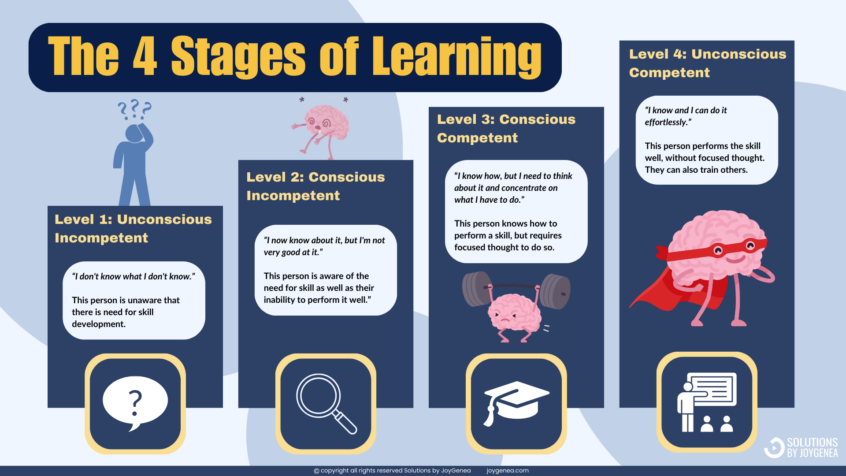
The 4 Stages of Learning: Level 1: Unconscious Incompetent “I don’t know what I don’t know.” This person is unaware that there is a need for skill development. Level 2: Conscious Incompetent “I now know about it, but I’m not very good at it.” This person is aware of the need for skill as well
Dictation for Gmail and Chrome – A Dyslexia and ADHD Gift to speed up email, note taking, and more
So, this morning I was working with a client who brings in somewhere between 100 to 200 emails per day. Well, this isn’t that big of an amount or at all not typical for a business owner, but what was not typical is the fact that of those emails a majority of them my client
Changing for those with Dyslexia and AI Chat Bots- Chat GPT
Part 1 – AI Chat Bot/Chat GPT If you haven’t played around with this yet and you have dyslexia or diagnosed dyslexic, you should try it. Part 2 – The AI Version-Changing for those with Dyslexia and AI Chat Bots- Chat GPT Part 2 of AI Chat Bot/Chat GPT. I took the subject AI and
Time Blindness-Part 4-Talking Timer
Learn about the timer that will count down the amount of time you have left #timeblindness #neurodiversity #dyslexia #adhd #add #neurodivergent #late TRANSCRIPTION: The time blindness tip, but it’s also just an overall tip this works really well for a lot of my neurodiverse clients. Sometimes it’s– oh just sometimes it’s really helpful to
The Power of a Positive Review
“What is the shortest word in the English language that contains the letters: abcdef? Answer: Feedback. Don’t forget that feedback is one of the essential elements of good communication.” ~Anonymous
Why Aren’t We Embracing the Placebo Effect?

“I make a very simple point here: the fact that something does not work through a known and logical mechanism should not make us unwilling to adopt it.” ~Rory Sutherland
Photos: What’s the Point?

“We take photographs as a return ticket to a moment otherwise gone.” ~Katie Thurmes
The Brief History of Literacy in America with Infographic
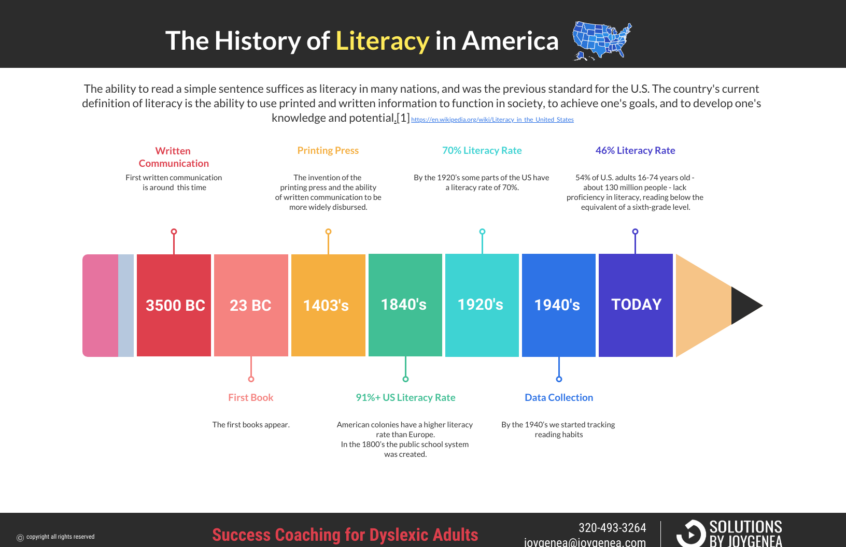
Understanding the history of literacy in America helps to understand why scientists and neurologists started to study “reading blindness” and understanding it more. As you can see from the infographic they start to explore dyslexia not long after they start collecting reading habits. The Brief History of Literacy in America The ability to read a
Why Are We All So Hell Bent On Doing Things The Hard Way? And Is That Wrong?

“When you work, don’t waste time. Work all of the time you work.” Brian Tracy Why are we all so hell bent on doing things the hard way and is that wrong? As a business coach I get brought in at the beginning of business or in the middle of a business needing some
CHANGE – doesn’t always make life better, sometimes it just is

I am open to change and believe that change yields growth and improvement. As a woman, I want to request the fashion industry, particularly the companies that make women’s pants. I want my front and back pockets returned to a decent pocket size or remove the dam things altogether. Pick one and